


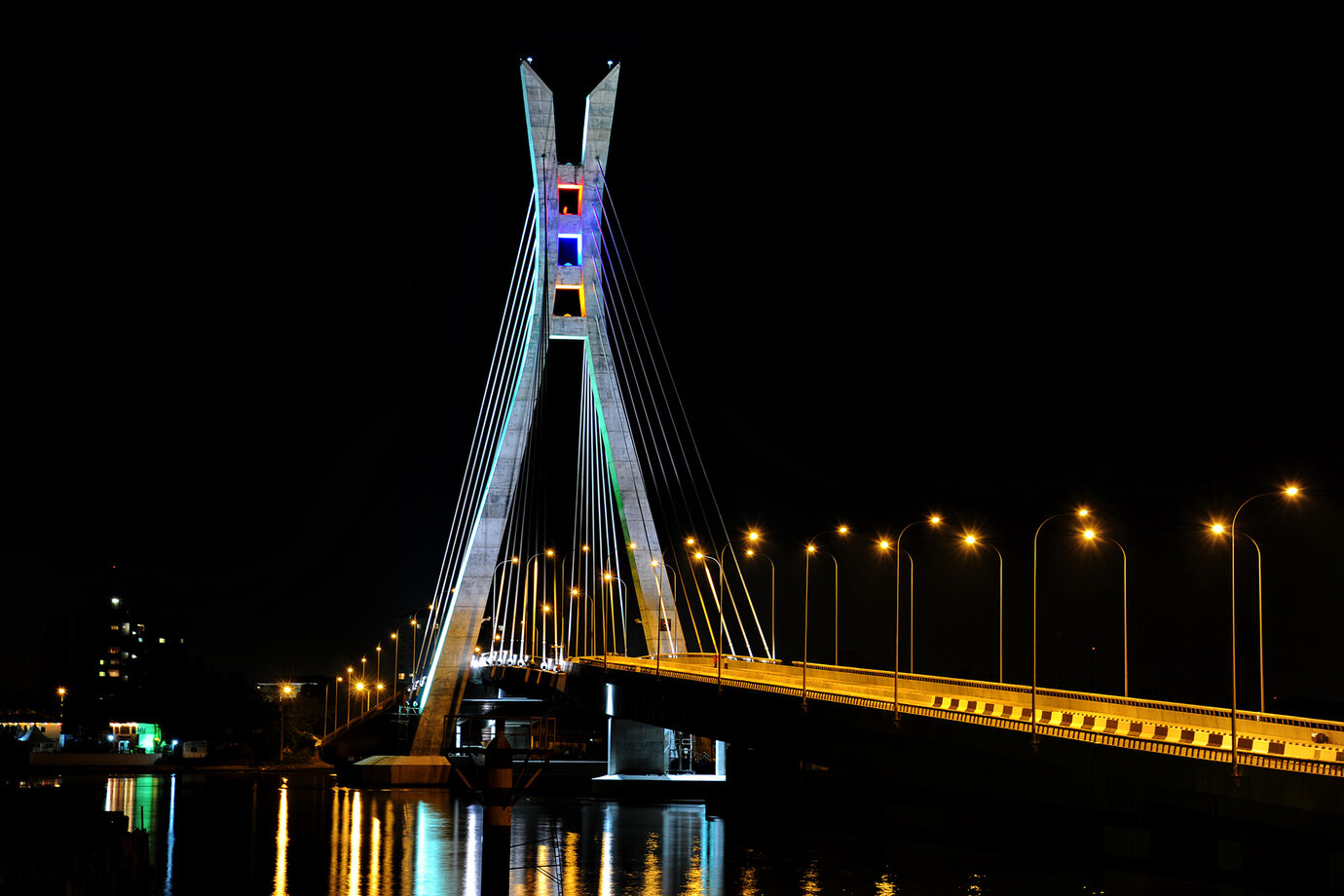
Lagos State has begun a journey to achieve energy independence with the target of six gigawatts in power generation over the next three years. This ambitious energy plan was disclosed, on Tuesday, during Lagos Energy Summit, where the state government’s representatives are meeting with regulators, investors and stakeholders to fashion out the plan. The bold […]

Federal Government has unveiled a $23.2 billion National Energy Compact (NEC) aimed at accelerating Nigeria’s energy transition and addressing the country’s persistent power supply challenges with a target of $15.5 billion in private sector investment to bridge the country’s energy deficit and promote cleaner, sustainable energy solutions.
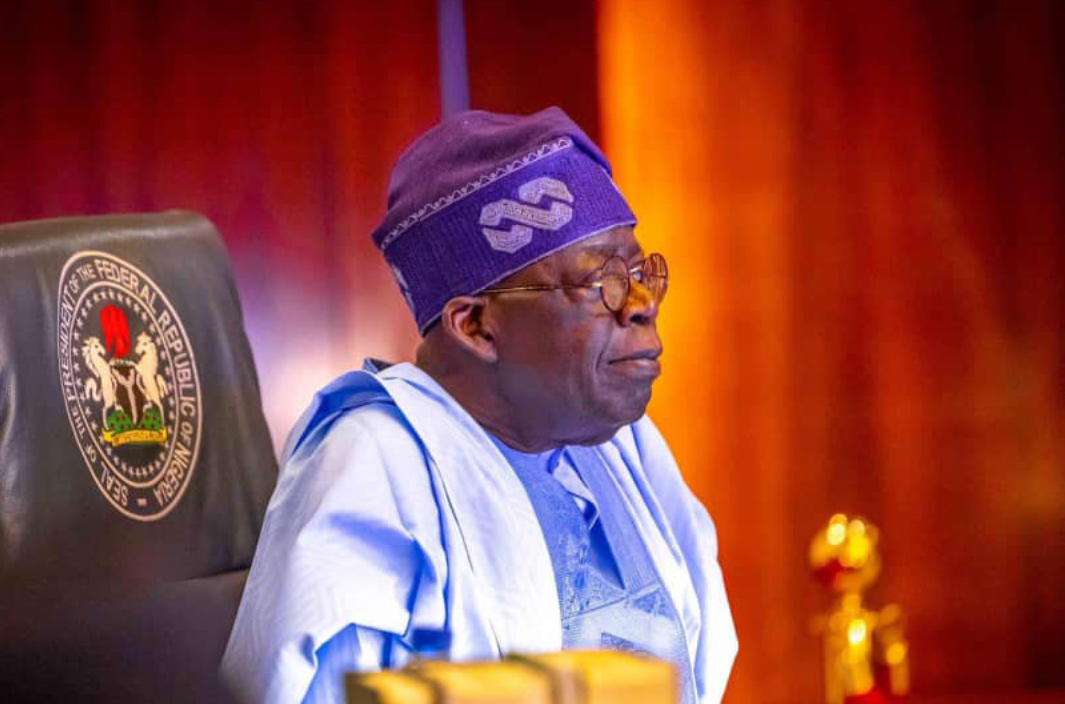
President Bola Tinubu has confirmed the approval of a $1.1 billion fund from the African Development Bank (AfDB) to provide electricity to 5 million Nigerians by the end of 2026. In addition, Tinubu highlighted the AfDB’s $200 million Nigeria Electrification Project. This aims to provide electricity to 500,000 people by the end of 2025.
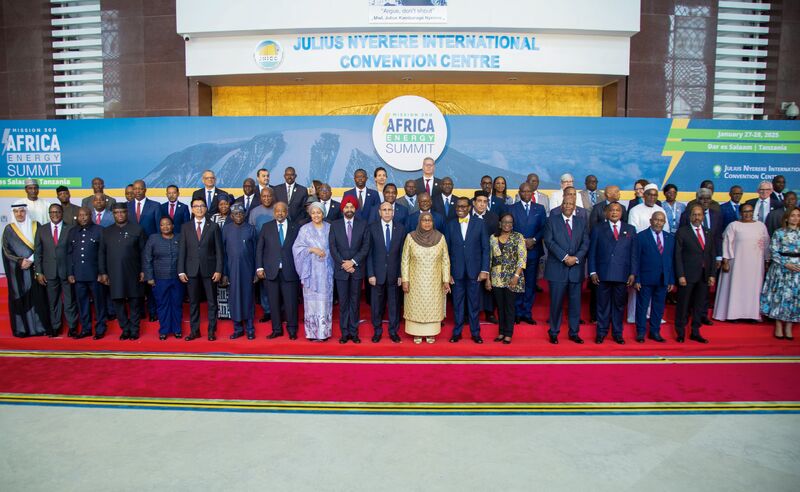
President Bola Tinubu has departed Abuja for Dar es Salaam, Tanzania, to participate in the Africa Heads of State Energy Summit starting today. The summit, being hosted by the Government of the United Republic of Tanzania, the African Union, the African Development Bank Group (AfDB), and the World Bank Group, will bring together over 25 […]
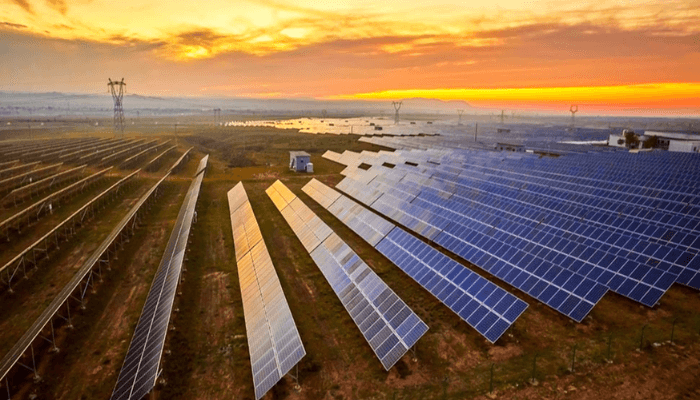
Nigeria has emerged as the fourth-ranked African country in terms of installed solar capacity, adding 63.5 megawatts peak (MWp) in 2024, according to the Africa Solar Industry Association (AFSIA).
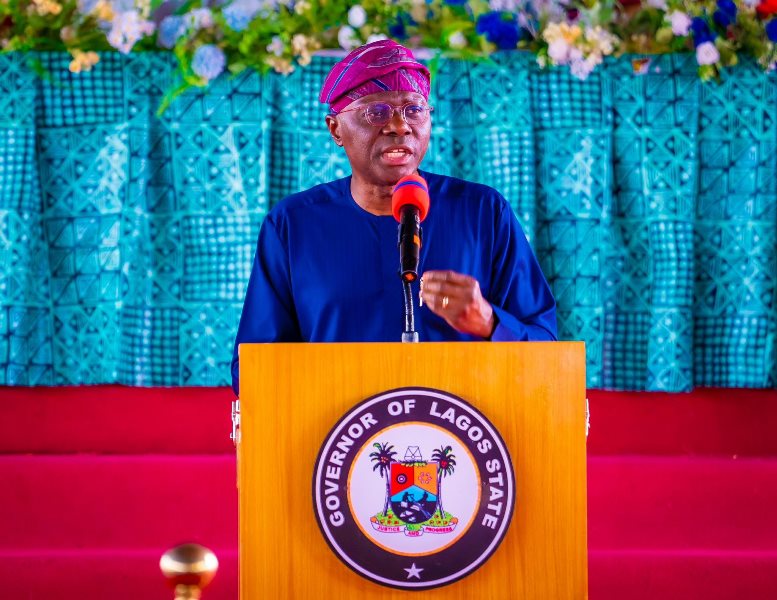
In a monumental step towards transforming Lagos into a 24-hour economy, Governor Babajide Sanwo-Olu has officially signed the 2024 Lagos Electricity Bill into law, setting the stage for a revolution in power supply across the state.

At COP29 in Baku, multilateral development banks (MDBs) announced a commitment to collectively mobilize significant financial support to help countries meet ambitious climate goals. By 2030, MDBs estimate they will direct USD 120 billion annually towards low- and middle-income countries, with a portion allocated to adaptation efforts

Solar has been gaining popularity for years now, but in 2023 the clean energy source really took off: A staggering 428 gigawatts’ worth of solar was installed worldwide last year, up by 76 percent from what was deployed in 2022, per new BloombergNEF data. That’s more than double the industry’s recent growth rates.
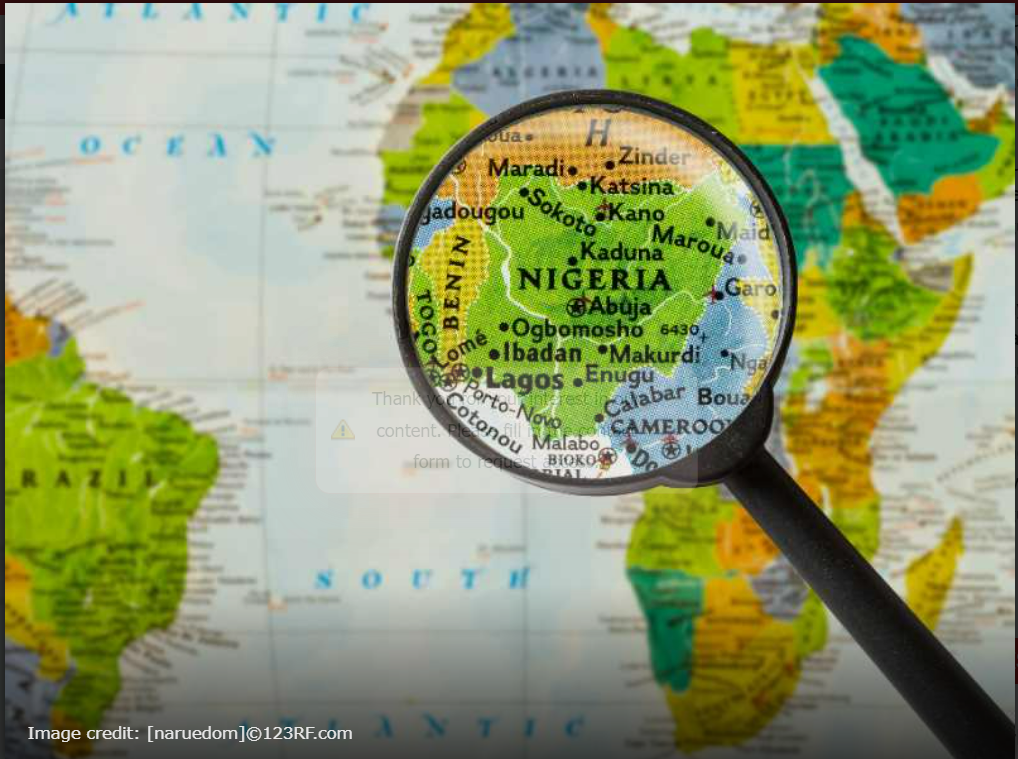
More than 1.4 million unserved and underserved people in Nigeria have been impacted through the implementation of the Rural Electrification Agency’s 2023 Capital projects, driven by several renewable energy initiatives.

“Nigeria is leading all of Africa in bringing distributed renewable energy to communities that have not yet benefited from low-cost, affordable, and reliable electricity access,” Rajiv Shah, President of the Rockefeller Foundation, shared with FORBES AFRICA in the country’s commercial capital, Lagos, during a recent three-day visit.